I always start in Seochon on a first trip, because its quiet lanes show Seoul as a long-lived settlement with 2,000 years of rich history, yet a living creative pulse. From there, I plan a flexible Seoul itinerary for first-timers, mixing royal palaces with changing palace guards, leafy parks, and views of nearby mountains—simple things to do that frame the city’s soul.
On my last visit, I rode the subways with easy on-the-ground tactics, hopping between neighborhood pockets and larger neighborhoods like Insadong for crafts and design museums, and Seongsu for a modern design scene that proves why Seoul is an entertainment city full of everyday experiences and must-see attractions.
Food and coffee set the pace next: a loft café with third-wave coffee, careful latte art, and a local roastery fuels mornings, while a guided food tour unlocks Gwangjang Market—expect mung-bean pancakes, knife-cut noodles, and long food queues worth the wait.
I still crave Myeongdong Kyoja for Michelin-recognized dumplings, quick dining, and cozy late-night snacks after shopping in neon markets or calm shopping blitzes for K-beauty and small finds like artisan candles. Seasons change the mood—cherry-blossom spring, glowing late-fall foliage, or even a sudden snowstorm—and each leaves memories stacked in my camera roll, from ramen packets shared on the street to quiet moments that remind me why Seoul is a truly delicious city shaped by deep Korean culture, bold culture, and endless food.
What should you not miss in Seoul?
1: Gwangjang Market Food Walk
A daytime guided walk in Seoul through Gwangjang Market is the kind of structured activity that stays with you, especially when you book a late-morning slot that starts 10 and see the vendors in full swing, something I learned after doing this tour myself. Beginning at Gwangjang Food Market, a local guide leads you past famous bindaetteok and mung-bean pancake stalls, then into tiny counters serving knife-cut kalguksu, mayak gimbap, addictive mini seaweed rolls, hand-pulled yukhoe bibimbap, and chewy soondae blood sausage, carefully pacing the bites so you don’t hit a food coma by stall three.
Along the way, we stepped into an ajumma-run noodle booth where shaved dough fell into bubbling anchovy broth, and ten minutes later we compared sesame oils at a mom-and-pop press most tourists stride past, before the walk gently moves toward artsy Insadong. Planning matters here: arrive hungry, because light breakfast really means coffee only, and this timing helps you avoid lunchtime bottlenecks while enjoying every flavor without rushing.
2: Cafe Onion Anguk Pastry Stop (Hanok Morning)
If you want a food moment that feels like a real travel win, head to Cafe Onion Anguk, the hanok-style outpost of a famous cult bakery brand in Seoul—it’s a calm mix of minimalist concrete, creaking wooden floors, and old beams around a quiet courtyard where soft morning light slowly floods the space. I always go early, pre-9AM, because the first thing you’ll want to do is grab a tray, zero in on their signature pandoro—a towering, snow-dusted brioche you can tear apart while powdered sugar coats your sleeves (totally worth the mess)—then pair it with a cold brew, a nutty flat white, and snag a floor cushion on the tatami-like platform facing the courtyard for relaxed people-watching.
By late morning, the brunch crowd trickles in and the line snakes out the gate, so I like to keep my order smart: split items with a travel buddy (my sister swears the portions are generous) and try a variety like the black sesame croissant, matcha cookie, or seasonal fig Danish—they’re instant favorite’s, but they sell out fast. If you’re taking photos, you’ll love the uncluttered shots, the warm interior details, and the delicate latticework, and trust me, pacing yourself helps avoid the sugar crash when you’re feeling extra curious and keep adding “one more pastry” to the tray.
3: Michelin Dumpling Break at Myeongdong Kyoja
At Myeongdong Kyoja, the menu stays laser-focused, so you can walk in and trust what’s good: steaming bowls of knife-cut kalguksu, kimchi so fierce it tingles your ears, and plump mandu dumplings pleated like little silk purses. I like to drop by mid-afternoon (3–4 PM sweet spot) on my South Korea itinerary, or grab early dinner (5 PM) between shopping rounds when the lunch crush has thinned, turnover is still fast, and you can order at the table with no overthinking.
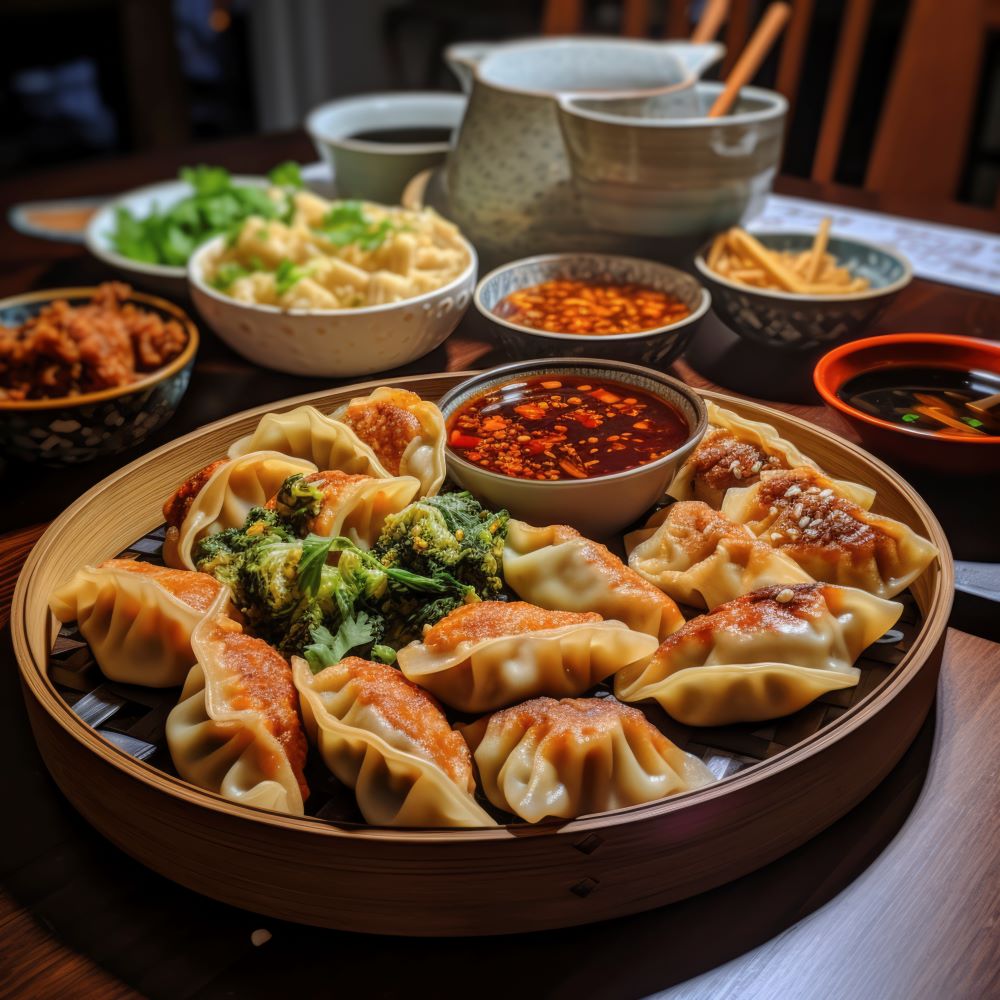
My sister and I ordered the three main stars—kalguksu noodle soup, mandu dumplings, and spicy cold noodles—and we visited twice in our first five days in Seoul because it just works every time. The kimchi arrives aggressively fresh (the staff ferment in-house daily), and don’t bother hunting for soy sauce since the dumplings are pre-seasoned; a quick dip in broth keeps the skins supple, boosts flavour, and avoids salt overload. If you stay in Myeong, the best area to stay in Seoul, you can just flop on your bed afterwards.
4: Quiet Alley Walks in Bukchon Hanok Village
Between Gyeongbokgung and Changdeokgung Palaces, Bukchon is a living neighbourhood of tiled-roof hanok houses, not an open-air museum, and the trick is enjoying the architecture without making the alleys a photo set. I start early on this South Korea bucket list destination before 9 AM, climb the uphill lanes near Bukchon Viewpoint 5, then work downward and pick two or three places to linger rather than marching the entire grid, slowing down to watch subtle details like ornate giwa ridge caps and carved door knockers shaped like bats for good fortune, plus papered lattice windows catching shadow patterns.
For an interior peek, book a tea ceremony or crafts workshop like knotting and brush painting—it buys you sanctioned time inside a restored hanok instead of sneaking courtyard photos through half-open doors. Keep your voices low, step aside quickly once you’ve got the frame, so local deliveries aren’t stuck behind a tripod, then enjoy Buk chon Hanok Village in Seoul, located adjacent to Gyeongbokgung Palace—one of the most interesting things to do in Seoul for exploring streets and checking out Korean traditional homes.
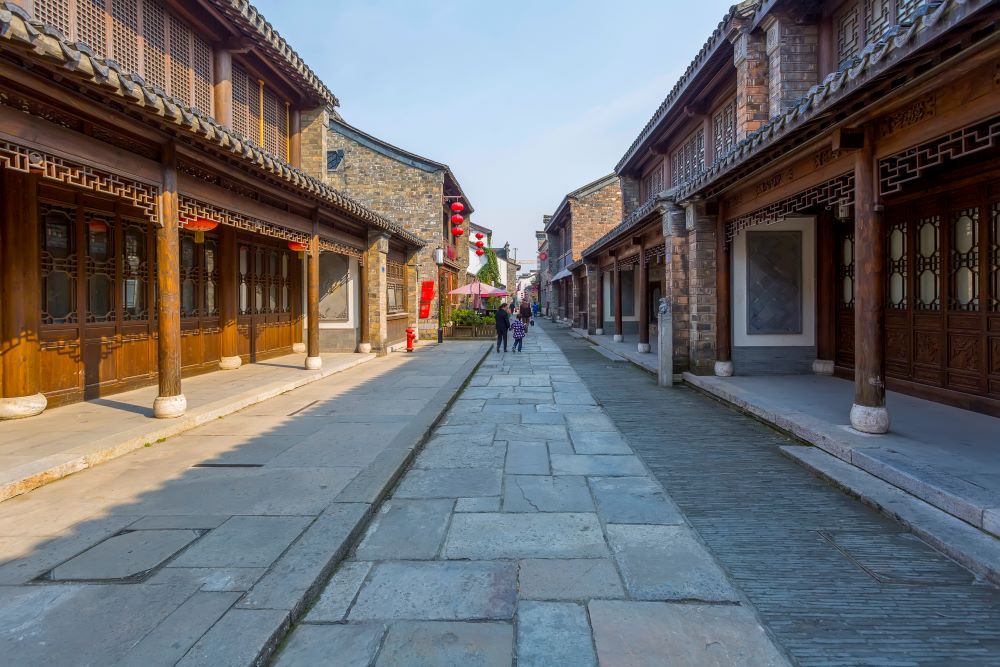
I had a lot of fun within the village, saw a few opened guest houses (not the cheapest) that still looked like a great experience, and after getting a map from the tourist information center, I followed the main walking route, stopping at a series of viewpoints and browsing areas with nice little restaurants, boutique shops, and an antique spot for sampling touristy street food that reminded me of Chenguang village in China. Entrance is free, the hours are 10 am until about 6 pm, and how to get there is easy: walk from the palace or take the subway to Anguk Staion, exit #1 or #2, and then it’s just 5 minutes north.
5: Myeong-dong Night Market Lights & Bites
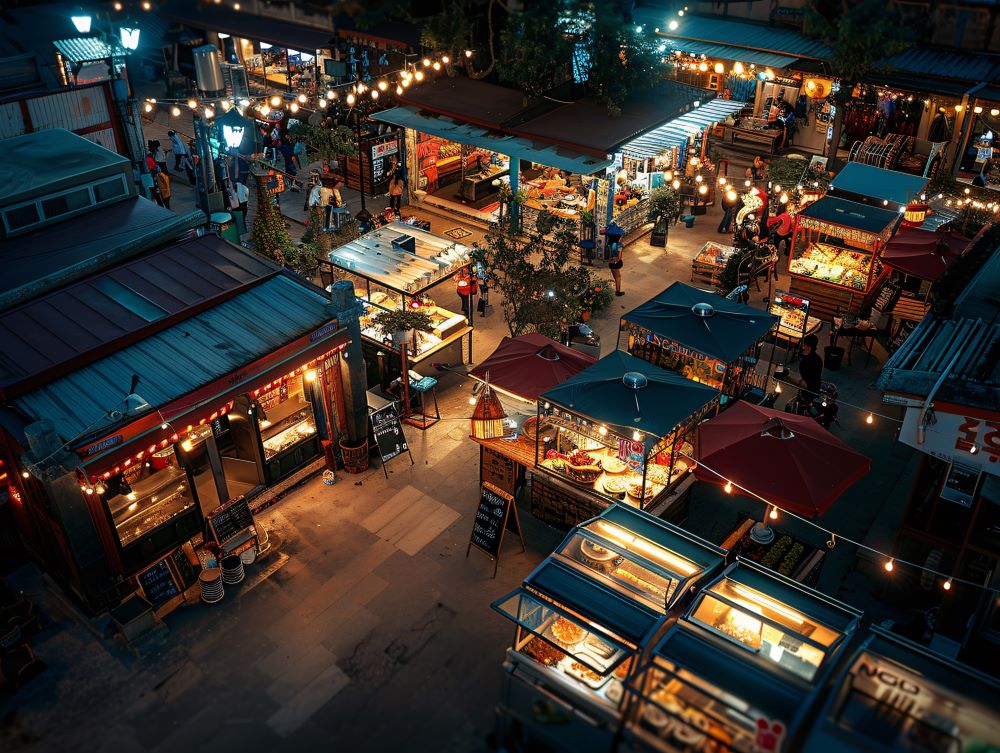
At dusk, cosmetic megastores light up and a corridor of food carts squeezes down the main drags, so I always come hungry and treat it like a tasting flight: pick 2–3 savoury and 1 sweet instead of impulse-buying every Instagram bait snack. You’ll spot skewered lobster torched under butter, spiral tornado potatoes dusted in cheese, and egg-topped gyeran bbang mini loaves steaming in paper trays—then watch the vendors finishing a tray, because fresher equals crispier, especially fried chicken bites and hotteok.
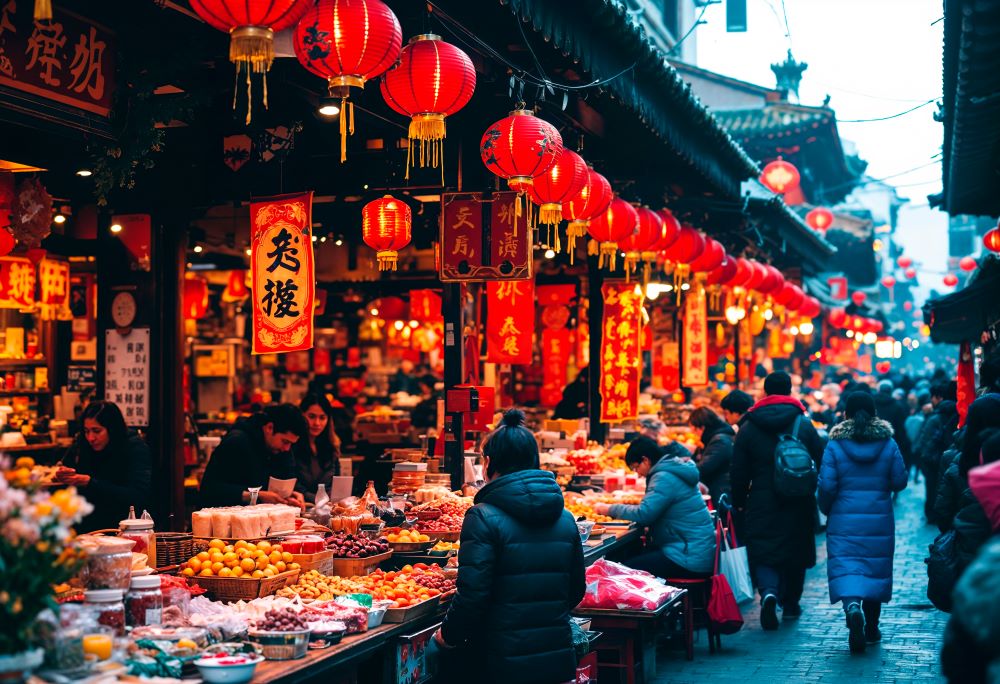
To keep the flow smooth, keep small bills in your hand so you’re not digging for change and holds up the line, then wrap the night with a sheet mask stock-up indoors at Olive Young for a warm break. Quick note: I recommend staying in Myeong-dong—it’s a great central place to stay in Seoul for first time visitors, plus it’s extra convenient and efficient to get from Seoul airport to the city centre. Shopaholics will rejoice when they head to Myeongdong, one of Seoul’s busiest and most shopper insane areas in town, packed with the latest Korean cosmetics and fahion, plus brightest neon colored sneakers, all kinds of stores in an outdoor mall—from trendy expensive stuff to street shopping stalls that set up shop in the afternoon hours. If shopping is not your thing, don’t worry—there’s a massive selection of restaurants, street food stalls, towering ice cream cones, and snacks everywhere you look, and the area swells with millions of shoppers and walkers daily, so you’ll still have a good time doing people watch. If you love to shop, spending time browsing here becomes one of your favorite things to do in Seoull. Hours: many businesses are open 11 am to 10 pm, but it’s most busy in the later afternoon and evening. How to get there: Take the Subway to Myeongdong Station.
6: Browse Hidden Finds in Seochon
In Seochon, the narrow lanes west of Gyeongbokgung trade big crowds for curated indie retail, and it’s the kind of walk I always start when I want something calmer but still exciting. I begin at Ofr. Seoul, where Paris bookstore DNA feels translated into a crisp gallery of art mags, photo books, and limited-run zines you won’t find in chain shops, then wander a few alleys over to GRANHAND. which blends wood, linen, and lab glass while the staff guide you through custom scent strips so you can bottle a travel memory—I lean woody-citrus to cut city dust. The area rewards slow wandering, so note the tiny hanok studios offering calligraphy or ceramics for a hands-on break.
7: Quiet Art Reset at Gallery Hyundai (Samcheong-dong)
When you need to recalibrate after sensory overload, step into Gallery Hyundai in Samcheong-dong, where white cubes are staging heavyweight Korean modernists alongside international contemporary names in a clean, calming flow. My sister and I wandered in for a break during a late November freak snowstorm in Seoul, and it turned into the perfect visit—if you connect with a piece, check the stockroom catalogue (it’s often on a tablet) for works on paper that are relatively affordable and packable.
8: Browse Crafts at Ssamziegil in Insadong
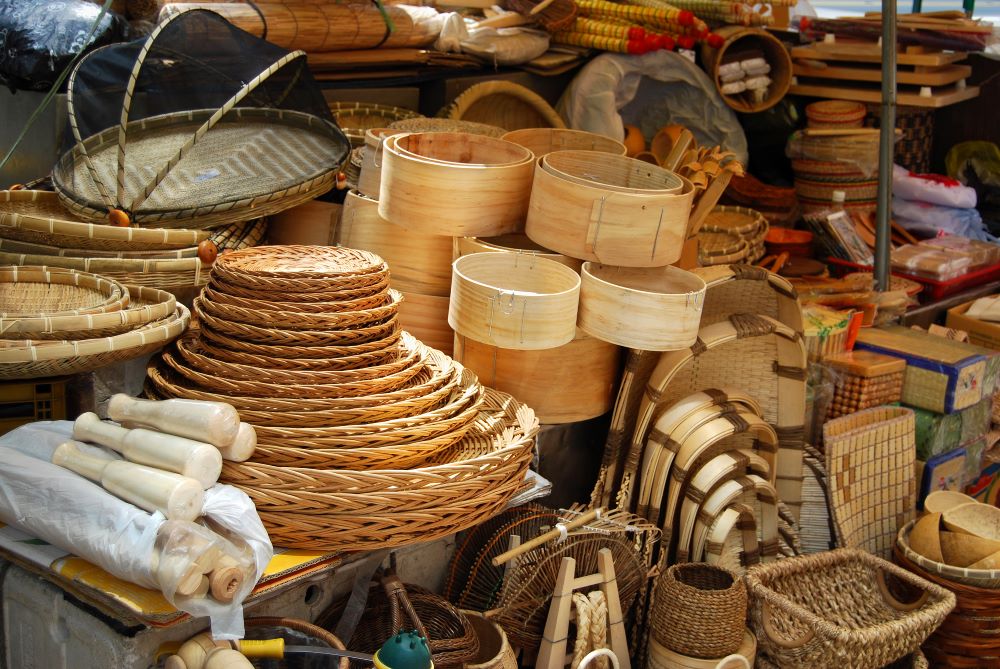
Ssamziegil spirals four terraced levels around an open courtyard in Insadong, forming a curated maze of craft shops selling hanji paper notebooks, modern ceramics, indie jewelry, and tongue-in-cheek K-pop merch that’s fun to browse even if you buy just one small piece. I always start at the top (elevator up, walk down) so I work against the crowd flow, peek into workshops where artisans demo lacquer or knotting, and those short chats yield better context for blog storytelling later—we even devoured the little shop that sells traditional Korean charms and bells. Grab a yuzu-ade or soft-serve halfway down as the ramp doubles like a casual photo runway for matching-outfit couples, and it’s an easy stop to pair with food markets in seoul on the same day.
9: Skyline Moments at Namsan Tower (N Seoul Tower)
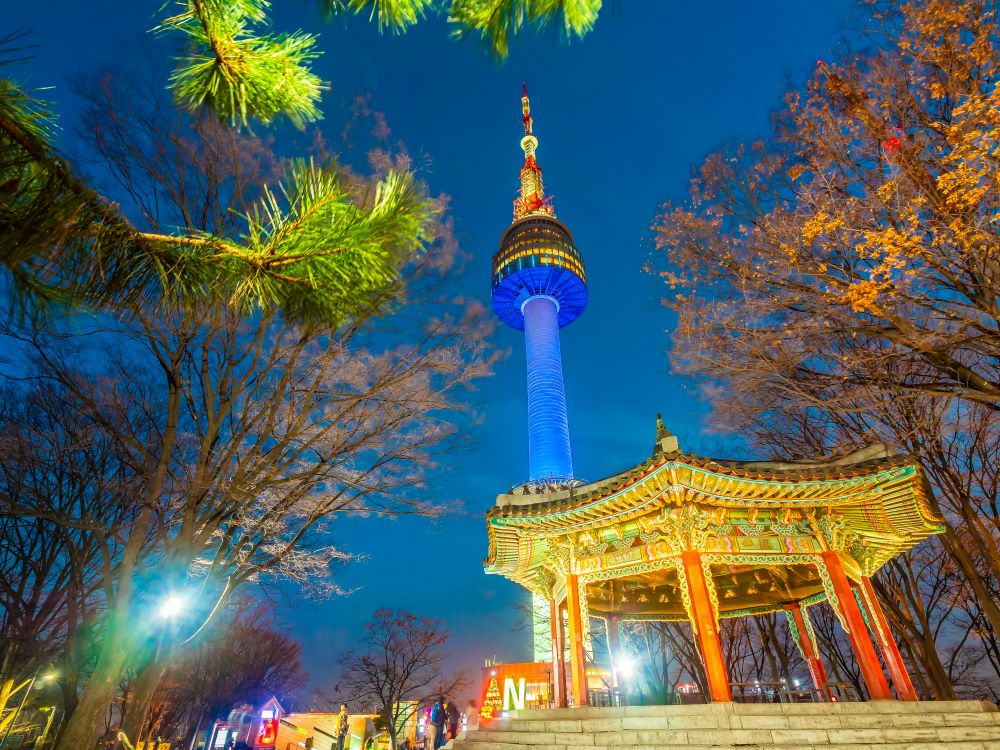
Yes, N Seoul Tower is touristy, but the layered city panorama truly sells itself once you’re up there. On our first visit, my sister and I made it to Seoul but skipped Namsan Tower in favour of roaming Seongsu (the Brooklyn of Seoul), then the second time we turned it into a mission to reach the top—we got to the Namsan Cable Car right at opening, so lineups weren’t an issue.
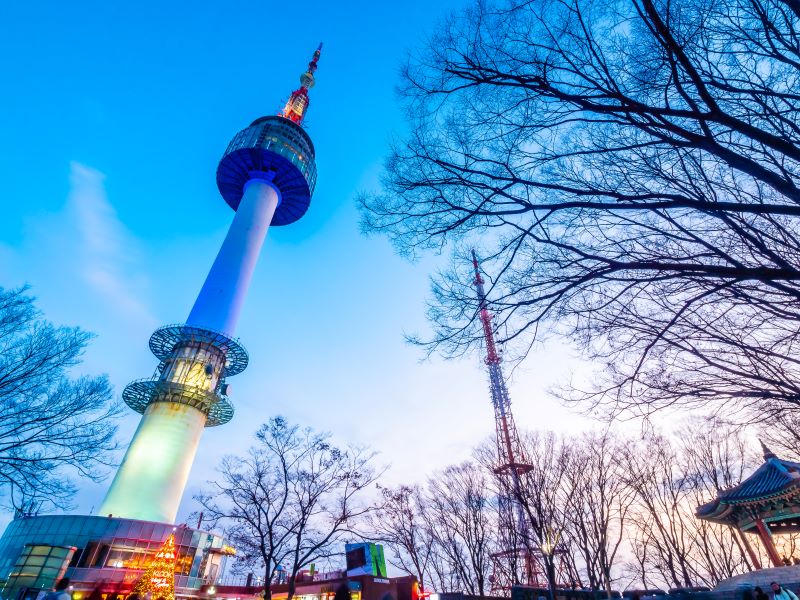
If you plan for the popular sunset time, I recommend scoring a Namsan Cable Car ticket beforehand, and for a clean lock shot without a wall of metal clutter, angle low and frame the skyline through a negative space pocket. The cable car queue can swell, so hiking one of the paved Namsan trails up (30–40 min) and cable-carring down saves time—just pack a light layer because the wind bites after dark, even in shoulder seasons.
10: Jogyesa Buddhist Temple (City Calm in the Business District)
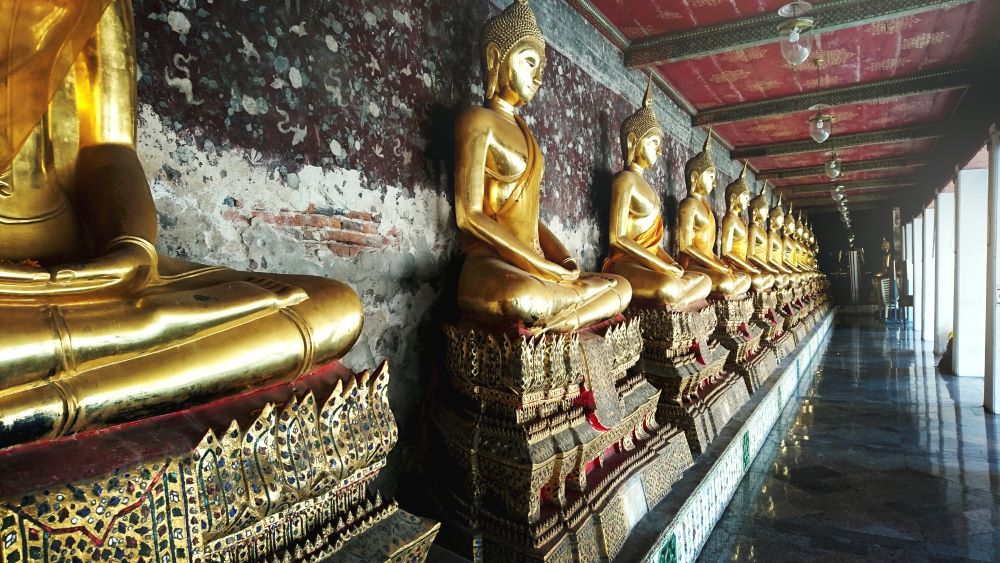
In the middle of Seoul’s business high rise buildings district, Jogyesa is a Korean Buddhist temple that’s almost always buzzing—I saw locals and tourists streaming in and out like it was part of the city’s daily rhythm. The temple has a quiet Zen feel, and it honestly reminded me of the Gangaramaya Buddhist Temple in Colombo, just with a sharper city contrast. Undoubtedly, one of the coolest things about visiting the temple is the ancient trees in the compound, apparently over 500 years old—with Strung up trees holding banners and paper steamers made from brightly colored paper, it’s a pretty cool site to see. Entrance is Free, and the Hours are Open around the clock; for How to get there, Get off the subway at Jonggak Station and take Exit 2.
11: Gyeongbukgung Palace (Seoul’s Grand Royal Park)
As One of Seoul’s most renowned historical attractions and most visited sites in the city, Gyeongbukgung Palace feels like stepping into the heart of old Korea, because it was one of the main palaces of the Korean Joseon Dynasty, originally constructed at the very end of the 14th century. Unfortunately, the palace was destroyed during the Japanese invasion in the 1500’s, then later rebuilt and remodeled some 200 years ago, and today the palace grounds are HUGE, like a park in and of itself—You can browse through all sorts of interesting building, check out the gardens, and I always tell friends to slow down and enjoy the details.
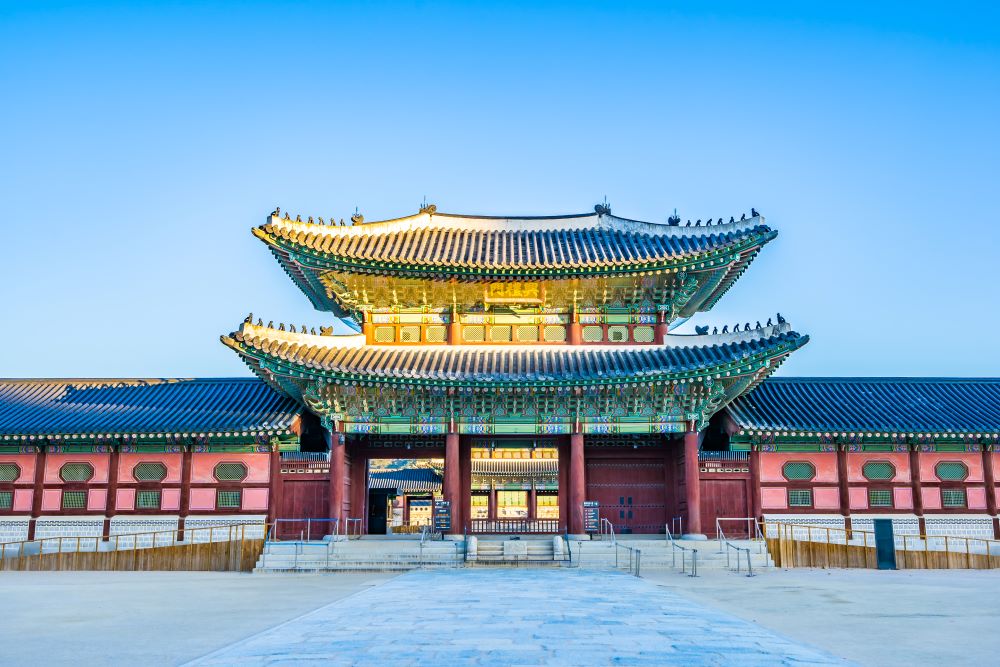
My favorite place in Gyeongbukgung Palace was the courtyard filled with clay pots used to store fermented chili pastes and kimchi, which felt so real and lived-in compared to the usual photo spots. Located in central Seoul, very close to touristy areas like Insadong, the palace is very easy to get to—Entrance is 3,000 Won (2.63), Hours are 9 am to 6 pm from Wednesday to Monday, closed on Tuesdays, and for How to get there just Take the Subway to Gyeongbokgung Station and Exit 5.
12: Suwon Day Escape: Hwaseong Fortress
Just an hour and a half from Seoul, Suwon’s Hwaseong Fortress is a great day trip if you want a dose of South Korea culture beyond the city—Built in the 18th century, this Korean castle is a UNESCO World Heritage site and one of the country’s most important historical sites. When I went, I saw nearly the entire fortress and it took me about 2.5 hours once I was there, but if you want to see the entire palace, the walls, gates, and the fortress museum, it will likely take 3 – 4 hours to see everything—I’d highly recommend Hwaseong Fortress if you have a day to spare on your trip to South Korea.
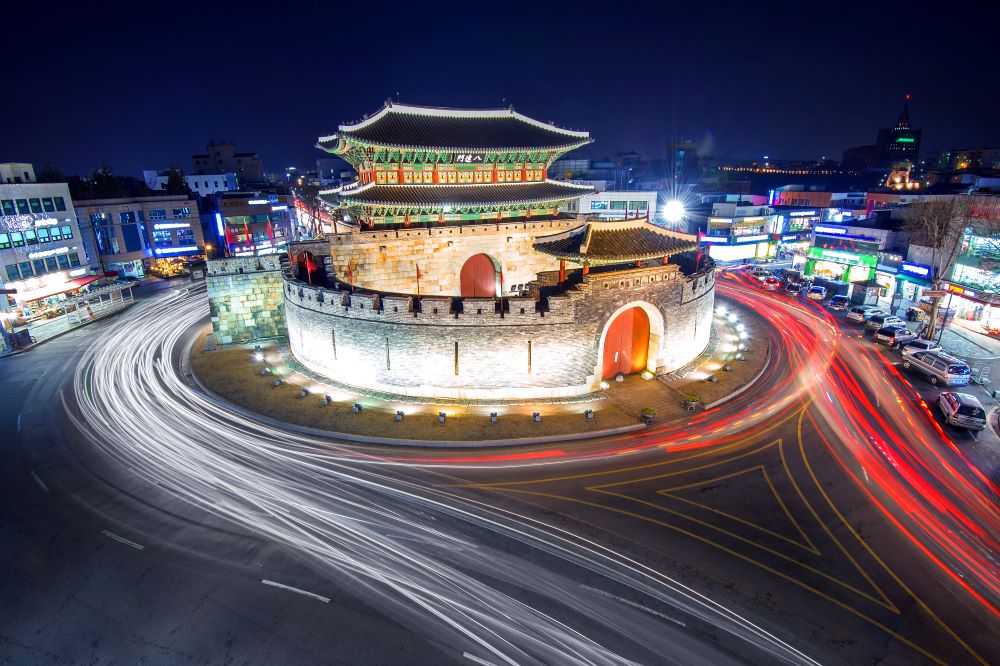
For planning, note the Entrance fees: 1,500 Won ($1.32) for palace access and 1,000 Won ($0.88) for fortress walls, or a Package ticket at 3,500 Won ($3.07) that includes both options plus the museum ticket; Hours are Open 9 am – 6 pm. How to Get There is simple: you can actually take the Seoul Subway to Suwon station and Exit #5, Then you have to get a local bus #11, #13, #36, or #39 and take it for about 10 minutes to the gates of the fortress.
13: War Memorial and Museum Walkthrough
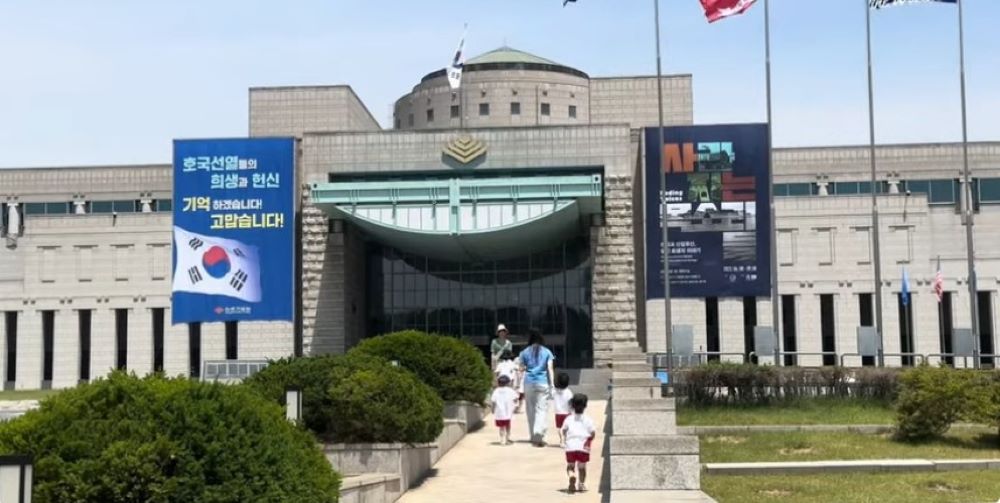
What I enjoyed most was the outdoor section that showcases a bunch of tanks, planes, helicopters, and giant missiles—you can even climb in and check out a number of the vehicles, which makes it one of those hands-on things to do in Seoul that surprises you. I wasn’t actually planning to visit, but the War Memorial and Museum turned into a pretty cool stop: at the entrance there’s a number of statues and memorials in remembrance of South Korea’s biggest wars, and Inside the building you’ll find exhibits on tactics with weapon displays. Entrance is Free, the Hours are 9 am – 6 pm and closed on Monday, and How to get there is easy: Get off the subway at Samgakji Station and Exit #12.
14: Namdaemun Market (Seoul’s Classic Local Rush)
In the central area of Seoul, one of the city’s largest and oldest markets is Namdaemun Market, and it’s pure thrilling local flavor from the moment you arrive. I went in the middle of the day, and the market was hopping with tons of people (as usual)—the kind of energy that makes exploring feel like a real Seoul experience. In the downstairs section, you’ll find all kinds of imported things like imported liqueur, Skippy peanut butter, and GNC supplements, plus endless local Korean made necessities like clothing, foods, and electronics.
I bought a few bags of toasted seaweed to eat with rice and kimchi, which became my easy snack between stops. Hours are simple: Open almost around the clock, but go during daytime hours, and note it’s closed on Sunday. How to get there is just as easy—Take the subway to Hoehyeon Station and head out Exit #5.
15: International Itaewon: Food, Shopping, and Nightlife
In Itaewon, an international corner of Seoul, it truly feels like melting pots come to life—some areas even look like Cairo. This place is packed with international restaurants, stores, bars, and clubs, so if you’re in the mood for something bold and comforting, go for a delicious shawarma and just head over with a nice selection waiting for you.
What makes Itaewon even more fun is how it’s also home to Seoul street shopping that often includes fake designer goods, but you can still shop smart—hit the main stores that offer more authentic products. How to get there is simple: Take the subway to Itaewon Station.
16: Lotte Mart Shopping Adventure in Seoul
Going to Lotte Mart in Seoul is honestly one of the coolest grocery stores in the world, because there are lots of food and even food samples everywhere. I felt tempted to drop a ton of cash, but I had to hold back and stick to my budget, since so many Korean food goods are available at Seoul’s Lotte Mart. The Hours are 9 am to midnight, so you can easily fit it into your day.
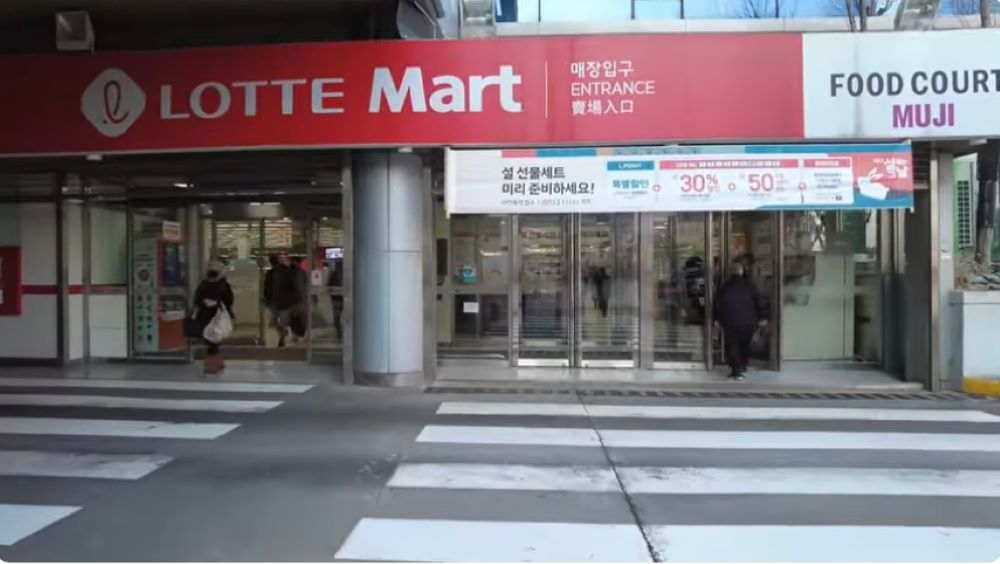
In any city, one of my favorite things to do is visit a supermarket and just walk around to see different things available for sale. I also love outdoor markets, but indoor supermarkets are just as interesting when you want a calm place to browse. How to Get There is simple too—there are a number of locations around Seoul, so you can pick the closest one.
17: Han River Walking / Riding
Away from the boisterous highway, I always rent a bicycle and slowly pedal up and down the river for a lengthy ride on the track that goes over 40 kilometers. It’s one of those simple thing to do in Seoul where you can just go at your own pace and enjoy peaceful views.
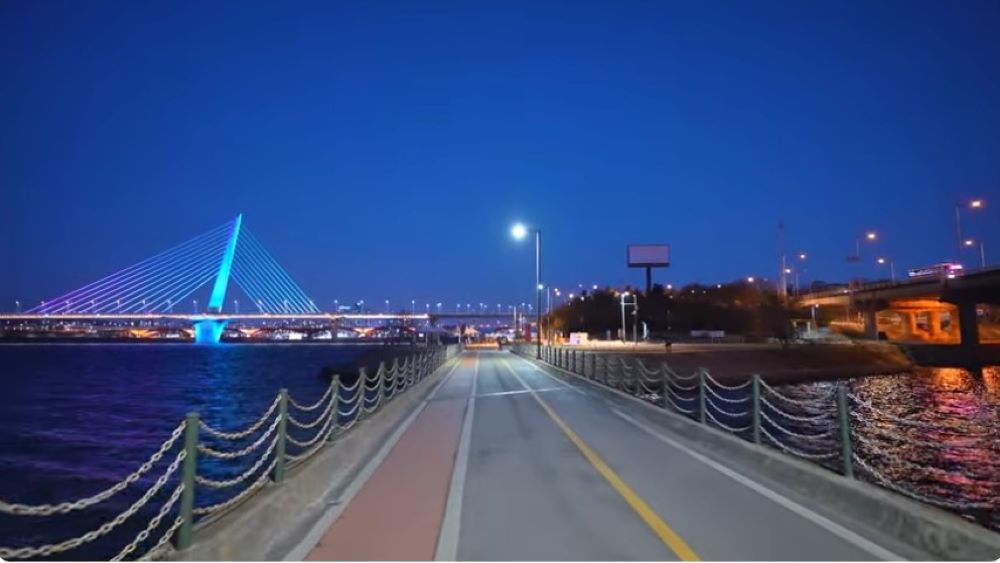
The Han River is one of Korea’s largest, running right through the center of the city, with banks that feel like a lovely recreational area set aside for exercising and sports. If biking isn’t your thing, you can still check a Seoul night tour at night or take a boat cruise on the River, and the Cost is only 3,000 Won (2.7) per hour to rent a bike.
Is English widely spoken in Seoul?
In Seoul, English isn’t always widely spoken, and many locals aren’t fluent in the language, but you’ll have better luck finding English speakers in main tourist areas like Myeongdong and Dongdaemun. Additionally, younger South Koreans, especially those under 30, often speak conversational English due to mandatory English education.
Is 2000 USD a lot in Korea?
Assuming you spend 100 a night on a hotel room, you’re still left with 1100 to eat, travel, and buy stuff, and in my opinion it’s totally possible—it really does depend on the person, but yes. Food isn’t very expensive in Korea, so you should be chilling, and Public transport is also super cheap like the bus, subway, etc, which makes getting around easy without burning your budget.